Full Mouth Dental Implants in Calabasas CA
Losing most or all of your teeth changes daily life in ways that are hard to appreciate until you live it. Eating becomes strategic. Smiling turns into a decision instead of a reflex. Speech can shift, often subtly Dental Implants Calabasas CA at first, then enough to make a person self-conscious in meetings, family photos, and even simple conversations. For many adults, full mouth dental implants offer a way back to stability, comfort, and confidence that removable dentures often cannot match.
In Calabasas, patients considering this treatment tend to ask practical questions, not abstract ones. They want to know how long it takes, what recovery feels like, whether they will leave the office without teeth, how strong the final teeth are, and whether the investment truly pays off. Those are the right questions. Full mouth implant care is a major decision, and the best outcomes usually come from clear planning, realistic expectations, and careful surgical and restorative execution.
The phrase Dental Implants Calabasas CA can mean anything from replacing one missing tooth to rebuilding an entire upper or lower arch. Full mouth treatment sits at the more advanced end of that spectrum. It is not a single product. It is a process that combines diagnostics, surgery, temporary teeth, healing, and final restorations into a treatment plan built around each patient’s anatomy and goals.
What “full mouth dental implants” really means
People often use the term loosely, but it can describe several different situations. In some cases, it means replacing all the teeth on the upper arch. In others, it means rebuilding both arches. Sometimes the patient still has a few failing teeth that need to be removed before implants are placed. Other times, the mouth has been missing teeth for years, and there is significant bone loss or sinus expansion that affects the treatment plan.
Most full arch implant reconstructions are supported by four to six implants per arch, though the exact number depends on bone volume, bite force, anatomy, and whether the restoration will be fixed or removable. The public hears terms like “All-on-4,” but that phrase refers to one approach, not the only approach. In real clinical life, treatment should follow the patient’s needs, not the label in an advertisement.
A fixed full arch prosthesis is secured to implants and can only be removed by the dental team. For many patients, this is the most appealing option because it feels more like having teeth again. A removable implant overdenture, by contrast, snaps onto implants but can be taken out for cleaning. That option can still be a major upgrade from a conventional denture, especially in the lower jaw, where loose dentures are notoriously frustrating.
The best choice is rarely about status. It is about fit, hygiene, anatomy, dexterity, budget, and long-term maintenance.
Why patients in Calabasas often look beyond traditional dentures
Conventional dentures still serve an important purpose. They can be made relatively quickly, and for some patients they are the most practical choice. But they come with trade-offs that become more obvious over time. Lower dentures may float during speech or eating. Upper dentures cover the palate, which can reduce taste perception and create a bulky feeling. Sore spots are common during the adjustment period. Bone shrinkage continues after teeth are removed, which gradually changes the fit.
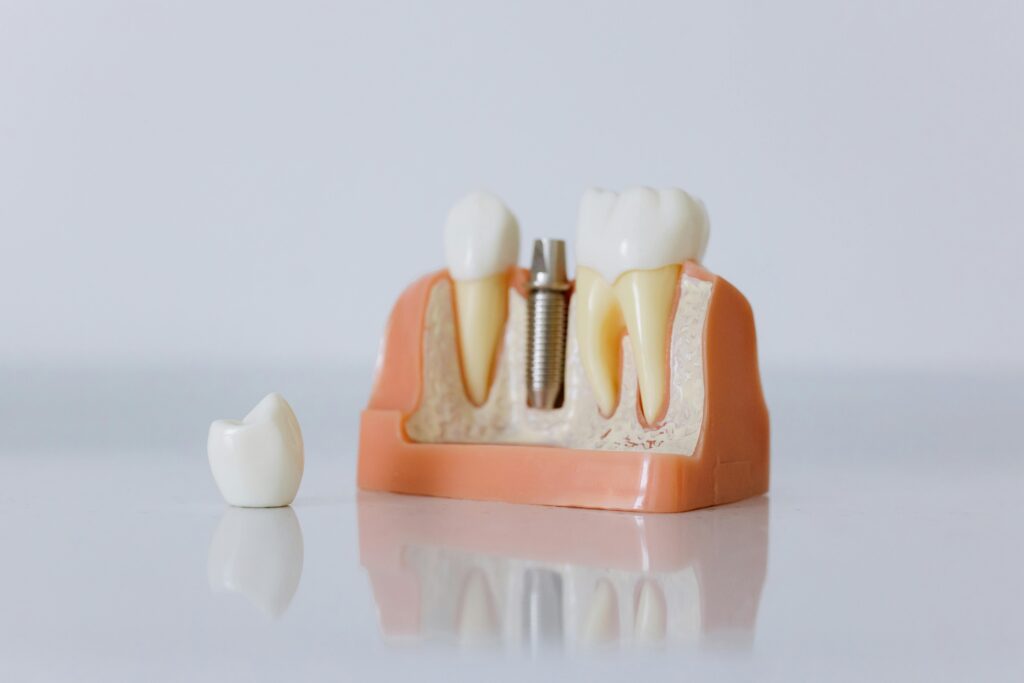
Implants change the equation because they anchor the restoration to the jaw rather than relying only on gum support and suction. That added stability often translates into stronger chewing, less movement, and a more secure feeling in social settings. There is another benefit that matters over the long haul: implants help preserve bone where they integrate with the jaw. They do not stop every age-related change in facial structure, but they can reduce the rapid collapse that often follows complete tooth loss.
Patients who have worn dentures for years sometimes describe a full arch implant conversion as less of a cosmetic upgrade and more of a daily-life upgrade. They stop cutting food into tiny pieces. They order what they want at restaurants. They laugh without checking whether the denture shifted. Those changes sound small on paper. They are not small when they happen every day.
Who makes a good candidate
A good candidate is not simply someone who wants implants. Full mouth treatment works best when the mouth is healthy enough to support surgery and the patient is ready for the maintenance that follows. Age by itself is not the deciding factor. I have seen healthy older adults do very well, and younger patients struggle because of uncontrolled grinding, heavy smoking, or neglected home care.
Several factors shape candidacy:
- Sufficient bone volume, or a realistic path to grafting when needed
- Healthy gums or periodontal disease that can be brought under control
- Medical conditions that are stable enough for surgery and healing
- A commitment to hygiene, follow-up visits, and long-term maintenance
- Bite habits such as clenching or grinding that can be managed
Smoking deserves direct discussion because it has real consequences for healing and implant success. The same is true for uncontrolled diabetes, active gum infection, and severe dry mouth. None of these automatically rules a person out, but each one changes the risk profile and may require extra planning.
Patients are sometimes surprised to hear that motivation matters. It does. A full mouth implant case is not over when the final teeth are delivered. It becomes a long-term relationship between patient and dental team, built on cleaning, maintenance, and periodic repair. The best results tend to happen when people understand that from the start.
The planning stage is where success usually begins
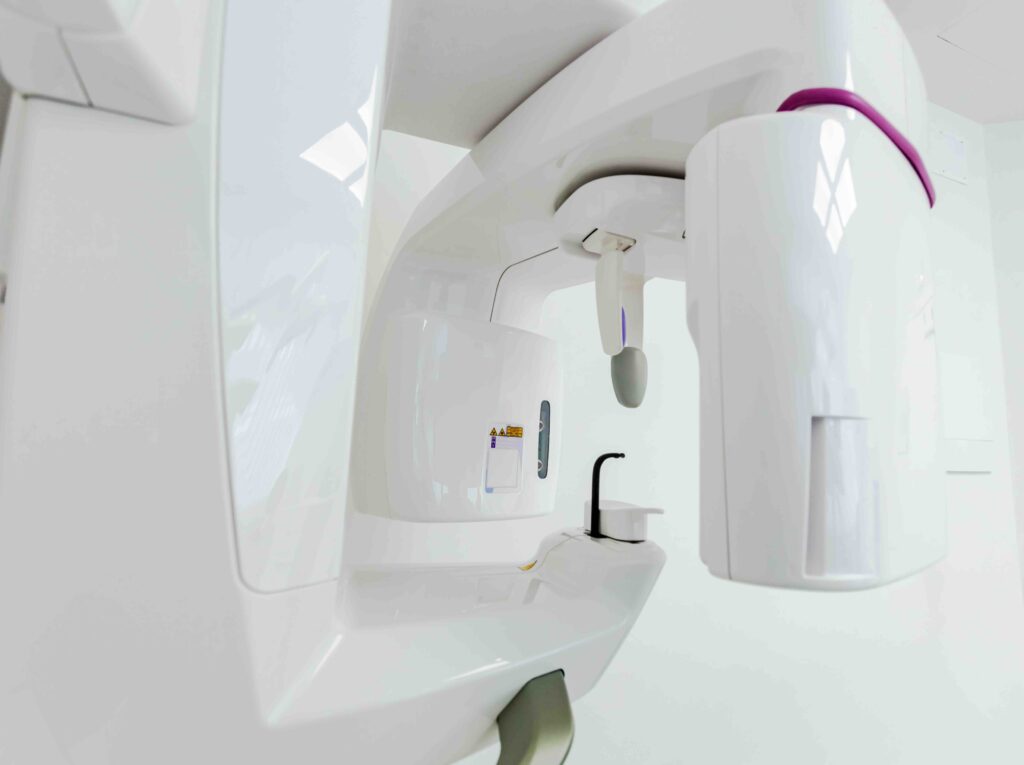
From the patient’s point of view, the surgery may feel like the centerpiece. From the clinician’s point of view, the planning is usually the most important part. A careful workup often includes a three-dimensional CBCT scan, digital records, photos, bite analysis, and a review of facial support and lip position. If there are remaining teeth, their prognosis has to be judged honestly. Keeping questionable teeth for sentimental reasons can complicate the entire case.
At this stage, the team is not just asking, “Can we place implants?” They are asking, “Where should they go, at what angle, with what restoration in mind, and how do we give this patient teeth that look natural in their face?” Those are different questions.
In a well-planned case, the surgeon and restorative dentist work backward from the final tooth position. That matters because implants should support the teeth, not force the teeth into awkward compromises. If the teeth are too bulky, too short, too flared, or placed without regard to the smile line, the patient may end up with a prosthesis that works mechanically but never feels truly right.
This is especially important in areas like Calabasas, where many patients are very appearance-conscious and rightly attentive to detail. They often care not only about replacing teeth, but also about lip support, tooth display, gum appearance, and whether the final smile fits their face naturally. That level of attention is not vanity. It is part of a complete result.
What treatment can look like from start to finish
Many full mouth implant cases follow a staged sequence. First comes consultation and diagnostics. If there are failing teeth, the team decides whether some or all should be removed. If the patient qualifies for immediate loading, implants may be placed the same day or very shortly after extractions, followed by a fixed temporary restoration. This is the source of the common “teeth in a day” phrase.
That phrase is useful, but it can also be misleading. It does not mean the entire treatment is finished in one day. More often, it means the patient avoids going without teeth and leaves surgery with a temporary set that looks acceptable and functions in a limited way while the implants integrate. The final restoration usually comes months later, after healing stabilizes and the tissues mature.
In other cases, a delayed approach is safer. If infection is extensive, bone quality is poor, or grafting is needed, the surgeon may recommend extractions and site development first, then implant placement after healing. Patients sometimes resist this because it feels slower. Yet slower can be smarter. Rushing a compromised case often creates bigger delays later.
The temporary phase matters more than patients expect. It is not just a placeholder. It allows the team to test esthetics, speech, bite, and comfort before finalizing the definitive prosthesis. Minor issues that would be frustrating in a final bridge can often be corrected during this stage. A thoughtful temporary can prevent a lot of disappointment.
Recovery is usually manageable, but not trivial
Patients tend to imagine one of two extremes: either unbearable pain or no pain at all. Most full mouth implant recoveries fall somewhere in the middle. Discomfort, swelling, and fatigue are common in the first several days. Bruising can occur, especially after extractions or grafting. Most patients are functional within a few days, but they are not fully back to normal immediately.
The first two weeks often require more patience than pain tolerance. Diet changes are a big part of that. Even when temporary teeth are fixed in place, the patient still needs a soft-food phase to protect healing implants. Chewing into hard bread, nuts, steak, or raw vegetables too soon can overload the system before integration is secure. I have seen technically excellent surgeries undermined by patients who felt so good that they ignored instructions.
Speech can also feel different at first, especially with upper full arch temporaries. Certain sounds may need practice while the tongue adapts to a new shape. Most patients adjust faster than they expect, but the adjustment is real. Setting that expectation ahead of time helps a great deal.
Materials, design, and why the final teeth are not all the same
When people compare prices for full mouth treatment, they often assume they are comparing identical products. Usually they are not. The number of implants, the need for grafting, the experience of the team, the design of the prosthesis, and the materials used can vary widely.
Some final restorations are made with acrylic over a metal framework. Others use zirconia. Each has strengths and limitations. Acrylic can be more forgiving, easier to adjust, and sometimes less expensive to repair. Zirconia is known for strength and wear resistance, and many patients like its refined appearance, but it can also be less forgiving in certain bite situations and may demand precise planning to avoid complications. There is no universal best material. The right choice depends on anatomy, force patterns, esthetic priorities, and budget.
Prosthesis design matters just as much as material. A bridge that looks beautiful in photos but traps food aggressively or is difficult to clean can become a long-term nuisance. A restoration should be designed for function, speech, hygiene access, and durability, not just first-impression appeal.
The cost question, asked plainly
Full mouth dental implants are expensive. There is no honest way around that. In Southern California, fees can vary substantially depending on whether one arch or both arches are being treated, whether extractions and grafting are needed, and what type of final restoration is selected. A single upper or lower full arch can run from the lower tens of thousands into significantly higher ranges. Rebuilding both arches with advanced surgery and premium final materials can be a major financial undertaking.
Patients are right to ask why. The answer is that these cases combine surgery, laboratory work, planning technology, custom components, temporaries, multiple appointments, and long-term follow-up. A well-executed full mouth case is one of the most complex treatments in dentistry.
That said, cost should never be evaluated in isolation. Cheap treatment that fails, fractures repeatedly, or produces an unhappy bite is not a bargain. On the other hand, the highest fee is not automatically the best value either. Patients should understand exactly what is included, what is provisional versus final, what maintenance will be needed, and what happens if a complication arises.
Risks, limitations, and the conversations worth having early
Every surgery carries risk, and implant treatment is no exception. Implants can fail to integrate. Temporary teeth can fracture. Bone grafts do not always heal as planned. Numbness, sinus issues, bite problems, and speech adaptation challenges are all part of the informed-consent landscape. Most cases go smoothly when carefully selected and managed, but “routine” does not mean “risk-free.”
Another important point is that implants are not immune to disease. Peri-implant inflammation and bone loss can develop, particularly in patients with poor home care, smoking history, or uncontrolled systemic issues. A patient who struggled for years with gum disease around natural teeth must understand that implants still require disciplined hygiene. They are not maintenance-free replacements.
Bruxism, or heavy clenching and grinding, deserves special attention. It places tremendous force on implants and prosthetic components. In some patients, it influences everything from implant number to material choice to whether a night guard becomes mandatory. Ignoring those forces can shorten the life of even the best work.
Why experience and team coordination matter so much
Single-tooth implant placement is one skill set. Full mouth reconstruction is another. The best outcomes often come from teams that do these cases regularly and communicate well between surgery, restorative design, and laboratory fabrication. Problems in full arch treatment are often not caused by one dramatic mistake. More commonly, they grow out of small planning disconnects that compound over time.
For example, if the restorative dentist wants a certain tooth position but the implants are angled without that endpoint in mind, the lab may be forced into compromises. If the surgeon places implants beautifully in bone but hygiene access is poor in the final bridge, the patient inherits a daily maintenance problem. If the bite is not balanced carefully, the temporaries may chip repeatedly, which frustrates everyone and delays refinement.
Patients do not need to become technical experts, but they should look for signs of coordination. Are records thorough? Are expectations discussed clearly? Is the temporary phase treated seriously? Are maintenance protocols explained before treatment begins, not after?
Questions worth asking at the consultation
A strong consultation should leave you more informed, not more dazzled. If you are exploring Dental Implants Calabasas CA for full mouth restoration, these questions usually lead to useful answers:
- Am I a candidate for immediate temporary teeth, or is a staged approach safer?
- How many implants do you expect to place per arch, and why?
- What type of final prosthesis do you recommend for my bite and anatomy?
- What maintenance, repairs, or replacement costs should I expect over time?
- Who handles both the surgery and the restorative design, and how do they coordinate?
The answers should feel specific to your mouth, not generic. If every patient is offered the Dental Implants Calabasas CA same package regardless of bone loss, smile line, medical history, or functional needs, that is worth noticing.
What daily life is like after treatment
When full mouth implant treatment goes well, the biggest difference is often psychological before it is cosmetic. Patients stop scanning every meal for risk. They stop worrying about adhesives, slippage, or whether a denture will move while they laugh. Many describe the return of confidence as the most meaningful change, even more than the appearance itself.
Daily care, however, remains part of the deal. Fixed full arch restorations still need brushing and cleaning underneath with floss threaders, water flossers, or other tools recommended by the office. Professional maintenance visits are not optional luxuries. They are part of protecting the investment.
Small repairs may happen over the years. Screws may need retightening. Acrylic teeth may wear or chip. A night guard may need replacement. None of that means the treatment failed. It means the mouth is a working environment, and even excellent dentistry lives under constant function.
The patients who do best long term tend to share one trait: they respect the restoration without being fearful of it. They use it, enjoy it, clean it, and show up for maintenance.
Choosing with a clear head
Full mouth dental implants can be life-changing, but they are not magic and they are not one-size-fits-all. For the right patient, they offer stability, appearance, and function that can far exceed what conventional dentures provide. For the wrong patient, or in the wrong hands, they can become expensive sources of frustration.
A careful evaluation in Calabasas should address more than whether implants can be placed. It should examine whether the final outcome will be stable, maintainable, comfortable, and appropriate for your goals. Sometimes the best plan is a fixed full arch bridge. Sometimes it is an implant overdenture. Sometimes treatment needs to begin with extractions, gum therapy, or bone development before implants make sense.
The strongest plans are rarely the flashiest. They are the ones built on sound diagnostics, honest discussion, and long-term thinking. If you are considering full mouth treatment, look for a team that respects both the complexity of the procedure and the everyday reality of living with the result. That is where confidence usually begins, and where it tends to last.
Oaks Dental
5000 Parkway Calabasas, Suite 308
Calabasas, CA 91302, United States
Phone: +1 (818) 412-8349
FAQ About Dental Implants Calabasas CA
How much does a dental implant cost in California?
Costs vary with the number of teeth replaced, restoration type, imaging, and any extractions or bone grafting. Request an itemized estimate after an examination; a single advertised price may not include every treatment stage.
Can people with autoimmune disease get dental implants?
Some people may qualify, but the condition, medications, oral health, and healing risks require individual assessment. Share your medical history with your dentist, who may coordinate with your treating physician.
Can you have dental implants if you have osteopenia?
Osteopenia does not by itself establish whether implants are suitable. Your dentist must evaluate jawbone support and review bone-related medications and other risks before recommending treatment.