Dental Implants Calabasas CA for Active Lifestyles
Life in Calabasas tends to move at a brisk pace. People hike before work, train for long charity rides, play tennis on weekends, squeeze in Pilates between meetings, and still expect to sit down to dinner feeling like themselves. That expectation matters when a missing tooth, a failing bridge, or a loose denture starts interfering with basic routines. Eating becomes selective. Speech changes in subtle ways. Smiling in photos takes effort. For active adults, those small disruptions add up fast.
That is where dental implants earn their reputation. When patients ask about Dental Implants Calabasas CA, the question is rarely just about replacing a tooth. It is usually about getting back a dependable bite, restoring confidence, and choosing an option that keeps up with a demanding schedule. Implants are not the right answer for every person or every clinical situation, but for many healthy adults with active lifestyles, they solve problems that removable or short-term fixes often do not.
Why active people often choose implants
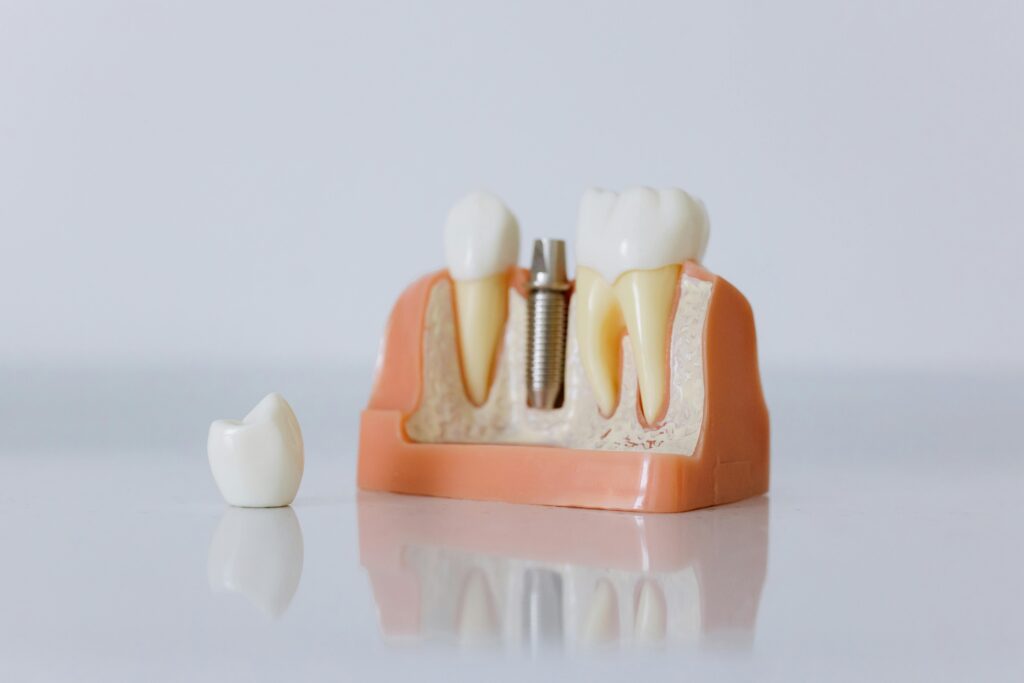
The practical appeal of implants is straightforward. A dental implant is designed to replace the root of a missing tooth, then support a crown, bridge, or denture above the gumline. Unlike a removable appliance, it does not come out at night. Unlike a traditional bridge, it usually does not require grinding down neighboring healthy teeth to anchor the restoration.
For someone who spends hours talking with clients, coaching a team, attending events, or exercising outdoors, that stability changes daily life. A single missing molar can make chewing uneven. That uneven chewing can strain the jaw and encourage people to avoid foods they would normally eat, such as lean meats, apples, nuts, or crisp vegetables. Missing front teeth carry a different burden. People often become hyperaware of how they laugh, pronounce certain sounds, or hold their mouth when being photographed. Implants address both the functional and cosmetic side of the problem in one plan.
In practice, patients with active routines often tell a similar story. They do not want to think about their teeth during a workout, business lunch, weekend trip, or social gathering. They want the replacement to feel integrated, not like a compromise they have to manage every day.
What makes implants especially useful for an active lifestyle
The strongest argument for implants is not that they are trendy or sophisticated. It is that they are reliable when they heal properly and are maintained well. That reliability matters for people whose days are full.
A removable partial denture may be serviceable, but it can shift slightly during meals or speech. Adhesives and storage become part of the routine. A conventional bridge can look excellent, but if the adjacent teeth are otherwise healthy, some patients hesitate to alter them. An implant-supported tooth stands on its own in a way that often feels more natural in the long run.
There is also the issue of bone. When a tooth is lost, the surrounding jawbone can gradually shrink over time because it no longer receives the same functional stimulation. That change may not be obvious right away, but it can affect facial contours, bite relationships, and future treatment options. Implants help preserve bone in a way that traditional removable options generally do not.
For active adults in their 30s, 40s, 50s, and beyond, that long-range benefit deserves attention. A quick patch may seem attractive in the moment, especially if the missing tooth is not visible when smiling. Years later, the maintenance costs and structural changes can make the shortcut less appealing than it first appeared.
The Calabasas factor: aesthetics, time, and expectations
Patients looking into Dental Implants Calabasas CA often come in with high standards, and reasonably so. They are not just asking whether an implant can be placed. They want to know how it will look, how long recovery will take, whether the gumline will appear natural, and how the process fits around work, travel, and fitness goals.
That combination of expectations changes the conversation. In a highly visible social and professional environment, aesthetics matter. The angle of the implant, the shape of the final crown, the tissue contours around it, and the color match with surrounding teeth all influence the final result. A technically successful implant that feels bulky, looks flat, or shows too much metal at the gumline is not a satisfying outcome for most patients.
Timing matters too. Many active patients have packed calendars, and they tend to appreciate clear sequencing. Some implant cases move quickly, especially when bone quality is favorable and the site is uncomplicated. Others take several months if grafting, infection management, or staged healing is needed. A good implant plan respects biology first, but it also respects the reality that patients want transparency. People handle longer treatment well when they understand why it is necessary.
What the process usually looks like
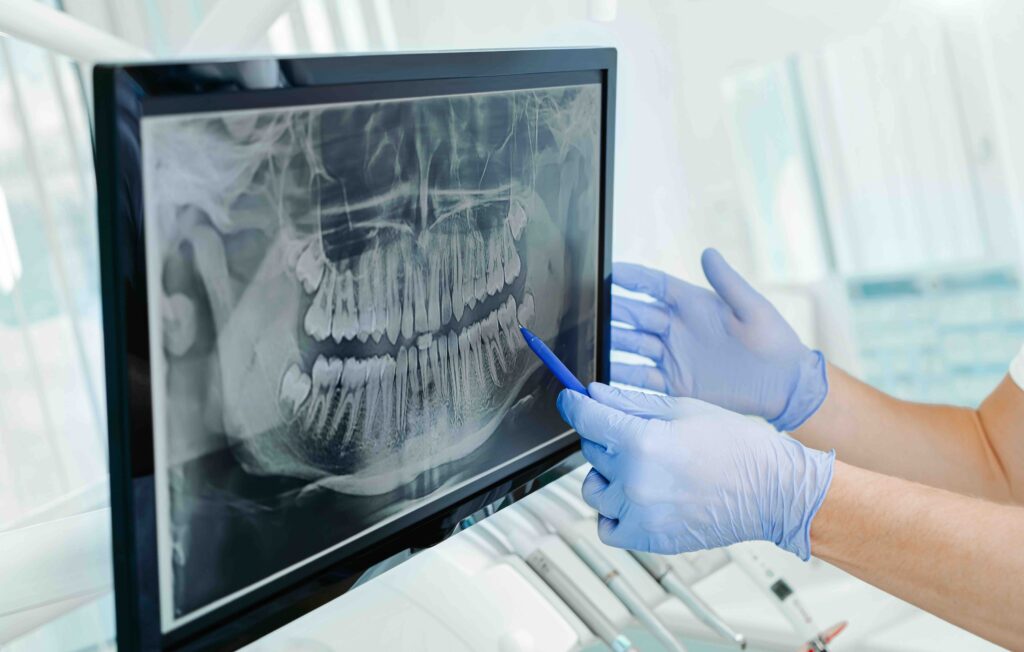
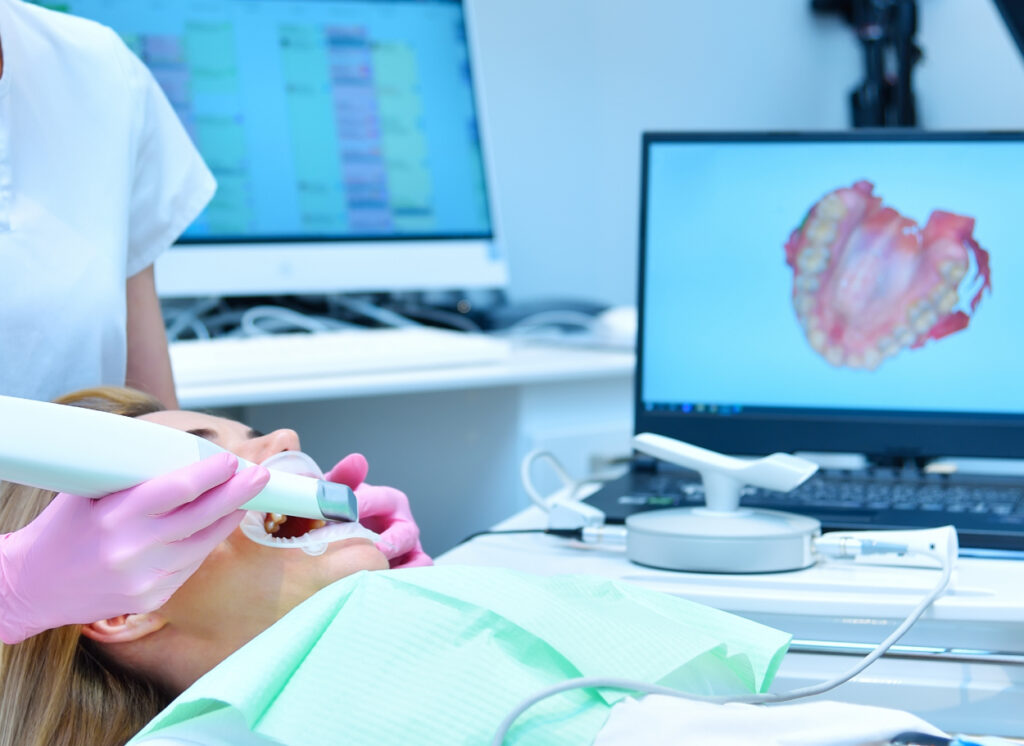
The implant journey starts with diagnosis, not drilling. That sounds obvious, but it is often the difference between a smooth result and a frustrating one. The clinician needs to evaluate bone volume, gum health, bite forces, medical history, and habits such as grinding or clenching. Imaging, often including three-dimensional scans, helps determine whether the site can support an implant immediately or needs preparation first.
Once the tooth is removed, if removal is still necessary, there may be several possible paths. In some situations, an implant can be placed right away. In others, the socket needs time to heal, sometimes with bone grafting to preserve or rebuild the area. After the implant is placed, the bone must integrate with the implant surface. That healing phase can vary, often taking a few months depending on the case.
The restoration phase matters just as much as surgery. This is when the connector piece and final crown, bridge, or denture are designed and fitted. A well-integrated implant can still fail to satisfy the patient if the bite is off, the contour traps food, or the crown does not blend naturally with adjacent teeth.
Patients are often surprised that the “last ten percent” of refinement can have the biggest effect on comfort. A fraction too much pressure on an implant crown may not be obvious in the chair, but it can create tenderness or wear patterns over time. That is why careful adjustment and follow-up are part of quality care, not optional extras.
Healing while staying active
One of the most common questions from physically active patients is when they can resume training. The answer depends on the procedure, the person’s general health, and how complex the surgery was. A straightforward single implant in a healthy patient is different from multiple extractions with bone grafting or sinus augmentation.
For the first several days after surgery, most clinicians recommend taking it easy. Heavy lifting, intense cardio, hot yoga, and anything that significantly raises blood pressure can increase swelling or bleeding. That advice can be frustrating for committed athletes, but ignoring it often prolongs recovery rather than shortening it.
A good rule is to think in phases. Early healing is about protecting the clot, minimizing inflammation, and following instructions closely. Mid-stage healing is about gradual return to routine while avoiding trauma to the area. Full confidence in the final restoration comes after the implant has integrated and the crown has been adjusted properly under function.
I have seen very fit patients assume that because they heal quickly from muscle strains or minor sports injuries, oral surgery recovery will follow the same pattern. Sometimes it does. Sometimes it does not. The mouth has its own biology, and soft tissue healing is affected by movement, bacterial load, and blood supply in ways that surprise people. Discipline helps here, just not the kind that pushes through pain.
Eating, speaking, and social confidence
The true value of implants often becomes obvious at ordinary moments rather than dramatic ones. A patient realizes they can bite into a sandwich without shifting food to one side. They stop avoiding side-profile photos. They order steak, carrots, or crusty bread without mentally calculating the risk. They speak in meetings without worrying about a temporary flipper moving out of place.
This is especially important for people who live publicly, whether that means presenting, networking, coaching, appearing on camera, or simply attending frequent social events. Missing teeth and unstable replacements can create low-grade stress that many people underestimate until it is gone.
There is also the issue of speech, which patients rarely think about until a front tooth is missing or a prosthetic changes tongue space. Tiny changes in tooth position affect certain consonants. A carefully designed implant restoration helps preserve natural speech patterns because it restores shape and support more precisely than many removable options.
Not every active patient is an automatic implant candidate
A professional discussion about implants needs to acknowledge limits. Good candidates are not defined by age alone or by enthusiasm for the procedure. They are defined by the condition of their mouth, the quality of available bone, and their willingness to maintain the result.
Smoking remains a significant concern because it can compromise healing and increase implant complications. Poorly controlled diabetes can delay healing and increase infection risk. Active gum disease must be addressed before implant placement whenever possible. Severe teeth grinding also deserves attention because excess force can damage restorations or create long-term problems around the implant.
None of these issues automatically disqualifies a patient forever. They simply change the plan. Sometimes that means periodontal treatment first. Sometimes it means using a night guard after the final restoration. Sometimes it means postponing surgery until health factors are more stable. That kind of judgment is not pessimism. It is how durable implant results are built.
The financial side, and why cheaper is not always cheaper
When people compare treatment options, cost naturally comes up early. Implants often have a higher upfront price than removable partials or some bridgework, and that can make them feel less accessible at first glance. The better question is cost over time, not just on the day treatment begins.
A lower-cost option may require more repairs, remakes, relines, or replacements over the years. If neighboring teeth must be prepared for a bridge, future treatment on those teeth can add to the total picture. Implants are not maintenance-free, but when they are planned and cared for well, they often provide value through stability and longevity.
That said, patients should ask for clarity. What is included in the quoted fee? Does it cover imaging, extraction, grafting, temporary teeth, abutment, and final crown, or are those billed separately? If the site needs additional procedures, when would those costs become known? Honest financial conversations are part of quality care, especially in implant dentistry where treatment phases can span months.
Choosing a provider for Dental Implants Calabasas CA
The provider you choose has a direct effect on the experience and the result. Implant dentistry lives at the intersection of surgery, restorative design, aesthetics, and maintenance. A technically placed implant in the wrong position can create cosmetic problems that are difficult and expensive to correct. A beautiful crown on an unstable foundation is just as problematic.
When evaluating options for Dental Implants Calabasas CA, it helps to focus on how the practice thinks, not just how it markets. Does the team perform a thorough workup? Do they discuss alternatives, not just implants? Do they explain timing honestly? Do they coordinate surgical and restorative phases carefully? Those details reveal a lot.
Here are a few questions worth asking during a consultation:
- Am I a candidate for immediate implant placement, or would healing first improve the result?
- Will I need bone grafting or other site development to support a long-term outcome?
- How will my final crown be designed so it looks natural and functions well with my bite?
- What temporary solution will I wear during healing, especially if the missing tooth shows?
- What maintenance will this require over the next five to ten years?
A skilled clinician should be able to answer those questions clearly, including where uncertainty exists. That last part matters. Implant dentistry is precise, but it is still biology. Promises that sound too neat often deserve scrutiny.
Recovery expectations, minus the sales pitch
A polished ad can make implants seem effortless. Real life is less dramatic and more nuanced. Most healthy patients handle a single implant procedure well, often with manageable soreness and swelling for a few days. More extensive treatment naturally involves more downtime. Temporary diet changes are common. Follow-up visits matter. Excellent home care becomes nonnegotiable.
Many patients are relieved to learn that the procedure itself is often easier than they feared. Anxiety before surgery is usually worse than the actual appointment. The harder part for some is patience during healing, especially if they are used to immediate results in other parts of life.
That is why expectations need to be realistic from the start. You are not buying a product off a shelf. You are guiding tissue and bone toward a stable, functional result that should serve you for years. Speed has value, but only if it does not compromise positioning, integration, Dental Implants Calabasas CA or soft tissue contours.
Long-term care for people who are always on the go
Implants do not decay like natural teeth, but they can fail if the tissues around them become inflamed or infected. Plaque control still matters. Professional maintenance still matters. Bite checks still matter, especially for patients who clench during sleep, lift heavy weights, or put repeated strain on their jaw during sport.
At home, patients need to clean around implants thoroughly, often with specific floss, interdental brushes, or water irrigation devices depending on the design of the restoration. The routine does not need to be complicated, but it does need to be consistent. Skipping care because an implant “is not a real tooth” is a common mistake.
For busy adults, the most successful long-term pattern is simple. Keep maintenance easy enough that it actually happens. A sophisticated restoration is only as good Dental Implants Calabasas CA as the daily habits that protect it.
Where implants fit in a bigger health picture
Oral function is tightly connected to overall health and quality of life. When chewing is compromised, nutrition often narrows. People may avoid fibrous vegetables, protein-rich foods, and textured meals that support better eating habits. When confidence drops, social participation can shrink too, even if the person appears fine from the outside.
Dental implants can help restore more than appearance. They can bring back consistency. For active patients, consistency is everything. It is what lets them train, work, travel, socialize, and recover without carrying an extra layer of self-consciousness or inconvenience.
That does not mean implants are glamorous medicine. Most of the benefit shows up in ordinary moments: breakfast without hesitation, a business lunch without awkwardness, a family photo without self-editing, a workout followed by dinner where nothing needs to be cut into tiny pieces. Those moments are not trivial. They are the texture of daily life.
A durable option for people who expect more from their dentistry
The strongest implant cases share a few traits. The diagnosis was careful. The timing respected healing. The restoration was designed with both aesthetics and function in mind. The patient understood the commitment and followed through on maintenance. When those pieces line up, implants tend to reward the effort.
For adults balancing professional demands, fitness routines, family responsibilities, and a visible social life, a stable tooth replacement is not a luxury. It is often the most practical way to restore normal function without adding new complications. That is why interest in Dental Implants Calabasas CA continues to grow among people who want dentistry that supports their lifestyle rather than slowing it down.
The right implant treatment should feel less like a dramatic makeover and more like getting an essential part of yourself back. Solid bite. Clear speech. Natural smile. No mental detours. For an active life, that kind of reliability is hard to overstate.
Oaks Dental
5000 Parkway Calabasas, Suite 308
Calabasas, CA 91302, United States
Phone: +1 (818) 412-8349
FAQ About Dental Implants Calabasas CA
How much does a dental implant cost in California?
Costs vary with the number of teeth replaced, restoration type, imaging, and any extractions or bone grafting. Request an itemized estimate after an examination; a single advertised price may not include every treatment stage.
Can people with autoimmune disease get dental implants?
Some people may qualify, but the condition, medications, oral health, and healing risks require individual assessment. Share your medical history with your dentist, who may coordinate with your treating physician.
Can you have dental implants if you have osteopenia?
Osteopenia does not by itself establish whether implants are suitable. Your dentist must evaluate jawbone support and review bone-related medications and other risks before recommending treatment.